
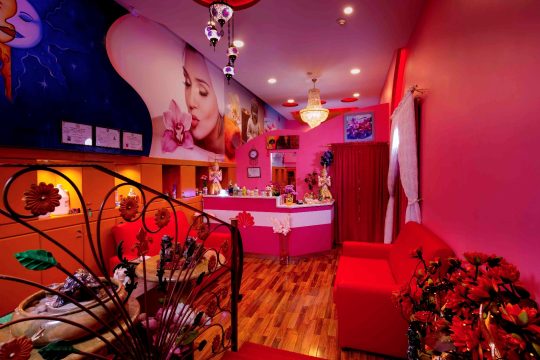
Blossom Spa

- Remarkable home transformations inspire design with sankrasuk.co.uk and lasting comfort
- Understanding Your Style: The Foundation of a Successful Transformation
- The Role of Inspiration and Mood Boards
- Maximizing Space and Functionality in Your Home
- Space-Saving Furniture and Organizational Strategies
- The Importance of Lighting in Interior Design
- Choosing the Right Light Fixtures and Bulbs
- Color Psychology and Creating Harmonious Spaces
- Beyond Aesthetics: Sustainable and Eco-Friendly Home Design
Remarkable home transformations inspire design with sankrasuk.co.uk and lasting comfort
Transforming a house into a home is a deeply personal journey, and finding the right inspiration and resources is often the crucial first step. Many homeowners find themselves overwhelmed by the sheer number of choices available when it comes to interior design and renovation. That’s where platforms like sankrasuk.co.uk come into play, offering a curated collection of ideas and a pathway to achieving lasting comfort and style. Whether it's a complete overhaul or a simple refresh, creating a space that truly reflects your personality and enhances your lifestyle is paramount.
The pursuit of a well-designed home goes beyond aesthetics; it's about functionality, flow, and creating an environment that supports your daily life. A cohesive design scheme can dramatically improve the way you feel within your own four walls, fostering a sense of calm, productivity, and enjoyment. Successfully navigating this process requires careful planning, attention to detail, and often, a little expert guidance. Fortunately, there are now more tools and resources than ever before to help homeowners bring their vision to life, making the dream of a perfect home a tangible reality.
Understanding Your Style: The Foundation of a Successful Transformation
Before embarking on any renovation or redecoration project, it's essential to define your personal style. This isn't about rigidly adhering to a single trend, but rather identifying the elements that resonate with you and create a sense of comfort and well-being. Consider the spaces you naturally gravitate towards – are they modern and minimalist, cozy and rustic, or vibrant and eclectic? Looking through magazines, browsing online platforms, and saving images of rooms that appeal to you are excellent ways to begin this process of self-discovery. Don’t be afraid to mix and match elements from different styles, but strive for a harmonious balance that reflects your unique taste. Understanding your style will inform every decision you make, from color palettes and furniture choices to lighting and accessories.
The Role of Inspiration and Mood Boards
Once you have a general sense of your preferences, creating a mood board can be incredibly helpful. This is a visual representation of your desired aesthetic, bringing together images, color swatches, fabric samples, and even textural elements. A mood board serves as a central reference point throughout the project, ensuring that all your choices align with your overall vision. Digital tools like Pinterest are perfect for creating and organizing mood boards, but a physical board with tactile materials can be equally inspiring. The key is to include elements that evoke the feeling you want to create in your space – whether it’s a sense of calm serenity, energetic creativity, or inviting warmth.
| Style | Key Characteristics | Ideal for… |
|---|---|---|
| Modern | Clean lines, minimalist décor, neutral color palettes, emphasis on functionality. | Urban dwellers, those seeking a clutter-free environment. |
| Rustic | Natural materials, exposed beams, warm tones, cozy textiles, vintage furniture. | Country homes, creating a welcoming and relaxed atmosphere. |
| Bohemian | Eclectic mix of patterns and textures, vibrant colors, global influences, relaxed and informal. | Creative individuals, those who embrace individuality. |
| Scandinavian | Simplicity, functionality, light colors, natural light, hygge (coziness). | Small spaces, maximizing light and creating a sense of calm. |
Carefully consider how different styles interact and determine what works best for your lifestyle and the architectural features of your home. Don't be afraid to experiment and personalize your approach! Understanding the characteristics of different design styles allows for informed decision-making when selecting furniture, décor, and color schemes.
Maximizing Space and Functionality in Your Home
Regardless of the size of your home, maximizing space and functionality is a key consideration. Clever storage solutions, multi-functional furniture, and thoughtful layout planning can make a significant difference in how you experience your living space. In smaller homes, every square inch counts, so it's important to choose furniture that serves multiple purposes. For example, an ottoman with hidden storage, a sofa bed for guests, or a dining table that extends to accommodate larger gatherings. Vertical space is often overlooked, but it can be utilized effectively with bookshelves, wall-mounted cabinets, and cleverly designed storage systems. Decluttering regularly is also crucial for maintaining a sense of spaciousness and calm.
Space-Saving Furniture and Organizational Strategies
When selecting furniture, prioritize pieces that offer hidden storage or serve dual purposes. Think about under-bed storage containers, nesting tables, and wall-mounted desks that fold away when not in use. Utilizing organizational tools such as baskets, bins, and drawer dividers can also help keep clutter at bay. In kitchens, consider installing pull-out shelves and maximizing cabinet space with organizers. In bathrooms, utilize over-the-toilet storage and wall-mounted cabinets to free up floor space. Remember to regularly assess your belongings and donate or discard items that you no longer need or use. A streamlined and organized home not only looks more spacious but also promotes a more relaxed and productive lifestyle.
- Invest in multi-functional furniture.
- Utilize vertical space with shelves and cabinets.
- Declutter regularly to create a sense of spaciousness.
- Implement clever storage solutions like baskets and bins.
- Prioritize organization in every room.
These simple adjustments can yield a substantial impact on both the aesthetic appearance and the practical usability of your home. A well-organized space directly reduces stress and increases overall well-being. Platforms like sankrasuk.co.uk offer many innovative solutions and ideas for optimizing your home's functionality.
The Importance of Lighting in Interior Design
Lighting plays a vital role in shaping the mood and atmosphere of a room. It’s often overlooked, but strategically placed lighting can enhance architectural features, highlight artwork, and create a sense of warmth and intimacy. A well-lit space feels more inviting and functional, while poor lighting can make a room feel dull and unwelcoming. There are three main types of lighting to consider: ambient, task, and accent. Ambient lighting provides overall illumination, while task lighting is focused on specific activities, such as reading or cooking. Accent lighting is used to highlight particular features, such as artwork or architectural details. Layering these three types of lighting is essential for creating a balanced and visually appealing space.
Choosing the Right Light Fixtures and Bulbs
When choosing light fixtures, consider the style of your home and the function of the room. Chandeliers and pendant lights are ideal for adding a touch of elegance to dining rooms and living rooms, while recessed lighting provides a clean and modern look. For task lighting, consider adjustable lamps or under-cabinet lighting in the kitchen. The type of light bulb you choose also matters. LED bulbs are energy-efficient and long-lasting, while incandescent bulbs provide a warmer glow. Experiment with different color temperatures to find the lighting that best suits your needs. Warm white light is ideal for creating a cozy atmosphere, while cool white light is better for task-oriented spaces. Smart lighting systems allow for control and customization, offering even greater flexibility.
- Start with ambient lighting for overall illumination.
- Add task lighting for specific activities.
- Use accent lighting to highlight features.
- Choose energy-efficient LED bulbs.
- Experiment with different color temperatures.
Thoughtful lighting design not only enhances the aesthetic appeal of your home but also improves its functionality and creates a more comfortable living environment. Proper lighting can dramatically alter the perceived size of a room. Different types of lighting can showcase architecture or make a room feel cozier.
Color Psychology and Creating Harmonious Spaces
Color has a profound impact on our emotions and moods. Understanding the principles of color psychology can help you create spaces that evoke the desired atmosphere. Warm colors, such as reds, oranges, and yellows, tend to be energizing and inviting, while cool colors, such as blues, greens, and purples, are calming and relaxing. Neutral colors, such as whites, grays, and beiges, provide a versatile backdrop for other colors and textures. When choosing a color scheme, consider the function of the room and the feeling you want to create. For example, a bedroom should be decorated with calming colors to promote relaxation, while a kitchen can handle brighter, more stimulating hues.
The careful selection of colors can dramatically impact the feel of a home and create a more personal and inviting atmosphere. A coordinated color palette creates a sense of flow and visual harmony throughout the home. Remember that color preferences are subjective, so choose colors that you genuinely love and that make you feel comfortable and happy.
Beyond Aesthetics: Sustainable and Eco-Friendly Home Design
Increasingly, homeowners are prioritizing sustainability and eco-friendliness in their design choices. This involves selecting materials that are renewable, recycled, or locally sourced, as well as minimizing energy consumption and reducing waste. Consider using reclaimed wood, bamboo flooring, or recycled glass countertops. Energy-efficient appliances, LED lighting, and proper insulation can significantly reduce your carbon footprint and lower your utility bills. Water conservation is also important, so consider installing low-flow toilets and showerheads. Creating a healthy indoor environment is another key aspect of sustainable design, which involves using non-toxic paints, flooring, and furniture.
Embracing sustainable practices not only benefits the environment but also creates a healthier and more comfortable living space. The trends in eco-friendly construction continue to evolve, with materials like mycelium bricks and hempcrete gaining popularity. Platforms like sankrasuk.co.uk can inspire further exploration of sustainable home design. Investing in environmentally friendly choices represents a commitment to a better future while enhancing the quality of life within your home.
