
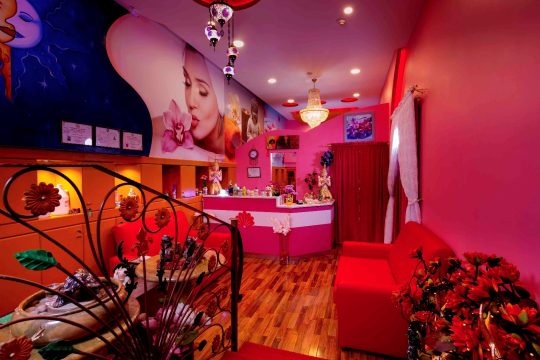
Blossom Spa

- Distinctive style choices with lola-jacks.uk define contemporary home aesthetics flawlessly
- The Art of Neutral Color Palettes and Textural Contrast
- The Role of Lighting in Establishing Mood
- Incorporating Minimalism and Functional Design
- The Importance of Decluttering and Organization
- The Impact of Greenery and Natural Elements
- Selecting Plants for Different Environments
- Creating Cohesive Style Throughout Your Home
- Elevating Spaces with Art and Personalized Decor
Distinctive style choices with lola-jacks.uk define contemporary home aesthetics flawlessly
The pursuit of a beautifully designed home is a timeless endeavor, and in today's world, achieving a sophisticated and contemporary aesthetic is more accessible than ever. Resources like lola-jacks.uk offer a curated selection of items designed to elevate interior spaces, reflecting a keen understanding of current trends and a commitment to quality. The key to a flawless aesthetic lies not just in individual pieces, but in the harmonious combination of textures, colors, and forms, creating an environment that is both visually appealing and deeply comfortable.
Contemporary home aesthetics are characterized by clean lines, minimalist forms, and a focus on functionality. However, this doesn’t mean sacrificing personality or warmth. Quite the contrary, the best contemporary designs are those that cleverly incorporate individual touches and create a space that truly reflects the homeowner’s style. The right furniture, lighting, and accessories can transform a house into a home, and a well-chosen range of products can make the process seamless and inspiring. Finding a reliable source for these pieces is crucial, and platforms dedicated to design excellence, such as those offering products aligned with the principles found on lola-jacks.uk, are becoming increasingly popular.
The Art of Neutral Color Palettes and Textural Contrast
Neutral color palettes form the backbone of many contemporary interiors. Shades of grey, beige, white, and cream offer a versatile foundation, allowing for the introduction of color through accent pieces like artwork, cushions, and throws. The beauty of a neutral palette lies in its ability to create a sense of calm and spaciousness, making even smaller rooms feel larger and more inviting. However, a purely neutral scheme can sometimes feel sterile, which is where textural contrast becomes paramount. Layering different textures – think rough linen, smooth velvet, woven rattan, and polished metal – adds depth and visual interest, preventing the space from feeling flat or monotonous.
Successfully blending textures requires careful consideration. A plush velvet sofa paired with a chunky knit throw and a sleek marble coffee table creates a balanced and intriguing composition. Similarly, incorporating natural materials like wood and stone adds warmth and organic appeal. It's important to avoid overwhelming the space with too many competing textures; instead, focus on a few key materials and repeat them throughout the room to create a cohesive look. This repetition, even with slight variations in the texture, will pull the room together.
The Role of Lighting in Establishing Mood
Lighting plays a critical, often underestimated, role in shaping the mood and ambiance of a room. Beyond simply providing illumination, the right lighting can highlight architectural features, accentuate artwork, and create a sense of warmth and intimacy. Layered lighting is key, combining ambient lighting (general illumination), task lighting (focused light for specific activities), and accent lighting (used to draw attention to particular objects). A combination of recessed lighting, floor lamps, and table lamps provides flexibility and allows you to adjust the lighting to suit different needs and occasions.
Consider the color temperature of your light bulbs as well. Warmer tones (around 2700K) create a cozy and inviting atmosphere, while cooler tones (around 4000K) are better suited for work areas and kitchens. Smart lighting systems offer even greater control, allowing you to adjust the brightness and color temperature of your lights remotely. A thoughtfully designed lighting scheme is essential for creating a contemporary home that is both functional and aesthetically pleasing.
| Lighting Type | Purpose | Ideal Color Temperature |
|---|---|---|
| Ambient | General Illumination | 2700K – 3000K |
| Task | Focused Light (reading, cooking) | 3500K – 4000K |
| Accent | Highlighting Features | Variable, depending on effect |
The careful selection of light fixtures themselves is also vital. Streamlined, minimalist designs are often favored in contemporary interiors, but don't be afraid to add a statement piece that reflects your personality. A unique chandelier or a sculptural floor lamp can become a focal point of the room.
Incorporating Minimalism and Functional Design
Minimalism, often associated with contemporary design, is about more than just getting rid of clutter. It's a philosophy that emphasizes intentionality and prioritizes functionality. Every item in a minimalist space should serve a purpose, and unnecessary ornamentation is kept to a minimum. This doesn’t mean the space has to feel cold or impersonal; rather, it’s about creating a sense of calm and order. Choosing high-quality, well-designed pieces that are both beautiful and functional is essential. Resources offering a carefully curated selection of items, like those available through lola-jacks.uk, can be incredibly helpful in achieving a minimalist aesthetic.
Functional design extends beyond the individual objects in a room to the overall layout and flow of the space. Consider how you use the room and arrange the furniture to optimize efficiency and convenience. For example, in a living room, ensure there is ample seating and a clear pathway for movement. In a kitchen, prioritize workflow and create zones for different tasks. Smart storage solutions are also crucial for maintaining a minimalist aesthetic, keeping clutter hidden away and freeing up valuable space. Built-in shelving, concealed cabinets, and multi-functional furniture can all help maximize storage capacity without compromising style.
The Importance of Decluttering and Organization
Before you can truly embrace minimalism, you need to declutter. This involves going through your belongings and getting rid of anything you no longer need, use, or love. It can be a daunting task, but the rewards are significant. A decluttered space is a more peaceful and relaxing space. Start with one area at a time, and be honest with yourself about what you really need to keep. Donate or sell items that are still in good condition, and discard anything that is broken or unusable.
Once you’ve decluttered, focus on organization. Invest in storage solutions that suit your needs and create designated places for everything. Label boxes and containers to make it easy to find what you’re looking for. Regularly maintain your organization system to prevent clutter from building up again. A decluttered and organized home is not only more aesthetically pleasing but also more conducive to productivity and well-being.
- Prioritize quality over quantity.
- Choose items with a timeless design.
- Focus on functionality and versatility.
- Embrace negative space.
- Regularly declutter and organize.
The principles of minimalism, when thoughtfully applied, contribute significantly to creating a tranquil and stylish living space. The commitment to intentionality and functionality can elevate the everyday, making your home a sanctuary where you can truly relax and recharge.
The Impact of Greenery and Natural Elements
Bringing the outdoors in is a key element of contemporary home design. Incorporating plants, natural materials, and organic forms adds life, texture, and a sense of tranquility to any space. Plants not only improve air quality but also create a more visually appealing and inviting atmosphere. Choose a variety of plants in different shapes, sizes, and textures to add visual interest. Consider low-maintenance options like succulents, snake plants, and pothos if you don't have a green thumb.
Natural materials like wood, stone, and bamboo are also essential for creating a connection to nature. Use wood flooring, stone countertops, and bamboo furniture to add warmth and organic appeal. These materials are not only beautiful but also sustainable and environmentally friendly. Incorporating natural light is another important consideration. Maximize natural light by keeping windows uncovered and using sheer curtains. This will not only brighten the space but also help to reduce energy consumption. The principles of biophilic design – connecting humans with nature – are directly applicable when curating your home environment, and resources such as those found at lola-jacks.uk often showcase items aligned with these concepts.
Selecting Plants for Different Environments
Not all plants are created equal, and some are better suited for certain environments than others. Consider the amount of light, humidity, and temperature in each room when choosing plants. For example, ferns and orchids thrive in humid environments, while succulents and cacti prefer drier conditions. Plants also vary in their tolerance to different levels of light. Some plants require bright, indirect light, while others can tolerate low light conditions.
Research the specific needs of each plant before bringing it home. This will help ensure that it thrives in its new environment. Pay attention to watering requirements, fertilizing needs, and potential pest problems. Properly caring for your plants will not only keep them healthy and beautiful but also contribute to a more enjoyable and relaxing living space. Grouping plants together can also create a more dramatic and visually appealing effect.
- Assess the light levels in each room.
- Consider the humidity and temperature.
- Choose plants that are appropriate for your climate.
- Research the specific needs of each plant.
- Group plants together for a more dramatic effect.
The integration of natural elements into your home is a powerful way to create a sense of well-being and connection to the natural world. This extends beyond plants to include materials and colors reminiscent of nature.
Creating Cohesive Style Throughout Your Home
A truly well-designed home features a cohesive style that flows seamlessly from room to room. This doesn’t mean that every room has to be identical, but rather that there is a unifying aesthetic that ties everything together. Start by identifying your personal style and creating a mood board with images of rooms and objects that inspire you. This will help you define your aesthetic and create a clear vision for your home. Then, choose a color palette and stick to it throughout the house. This will create a sense of harmony and continuity.
Repeat certain elements, such as materials, textures, and patterns, in different rooms to reinforce the cohesive style. For example, if you use a particular type of wood flooring in the living room, consider using it in the dining room as well. Pay attention to the details, such as hardware finishes, lighting fixtures, and artwork. These small touches can make a big difference in creating a cohesive look. Remember, consistency is key, but don’t be afraid to add pops of color or unexpected elements to keep things interesting. The careful curation of items, like those selected by lola-jacks.uk, can dramatically aid in achieving this stylistic synergy.
Elevating Spaces with Art and Personalized Decor
Once you've established the foundation of your contemporary home, the final touch is to personalize it with art and decor that reflects your individual taste and personality. Artwork is a powerful way to add color, texture, and visual interest to a room. Choose pieces that you love and that resonate with your style. Don’t be afraid to mix and match different styles and mediums. A curated collection of artwork can tell a story and create a unique and inviting atmosphere.
Personalized decor items, such as family photos, travel souvenirs, and handmade crafts, add warmth and character to a space. Display these items in a way that is meaningful to you. Consider creating a gallery wall with family photos or arranging travel souvenirs on a bookshelf. These personal touches will make your home feel more like a reflection of who you are. Be mindful of clutter. A few well-chosen pieces are more effective than a cluttered display. Allowing your personality to shine through ensures a space that is both stylish and deeply comforting.
