
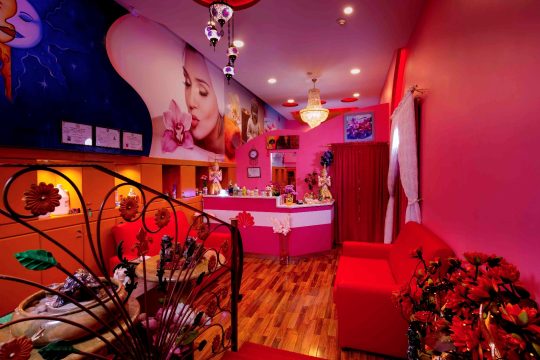
Blossom Spa

- Modern workplaces and https://enterprisedesign.co.uk deliver functional, inspiring office solutions
- The Importance of Ergonomic Design in Modern Workspaces
- Implementing Ergonomic Solutions Effectively
- Creating Collaborative Spaces for Enhanced Teamwork
- The Role of Biophilic Design in Boosting Employee Well-being
- Integrating Nature into the Workplace
- The Future of Office Design: Adaptability and Flexibility
- Beyond Aesthetics: The Impact of Workplace Design on Company Culture
Modern workplaces and https://enterprisedesign.co.uk deliver functional, inspiring office solutions
The modern workplace is undergoing a significant transformation, driven by evolving employee expectations, technological advancements, and a growing emphasis on well-being. Businesses are increasingly recognizing that the physical environment plays a crucial role in fostering productivity, creativity, and employee satisfaction. This has led to a surge in demand for innovative and functional office solutions that go beyond traditional layouts. Companies are looking for spaces that are adaptable, collaborative, and reflective of their brand identity. Investing in a well-designed office isn’t simply an aesthetic choice; it’s a strategic business decision with tangible returns. Solutions like those offered by https://enterprisedesign.co.uk are becoming pivotal in this shift, helping organizations create environments that truly support their people.
The concept of the office is no longer confined to a fixed location or a standardized design. Hybrid work models, remote collaboration, and the need for flexibility have prompted a re-evaluation of how space is utilized. Companies need offices that can seamlessly accommodate different work styles and support both individual focus and team interaction. This requires a thoughtful approach to space planning, furniture selection, and the integration of technology. The goal is to create a dynamic ecosystem that empowers employees to perform at their best, regardless of where they are working. The need to enhance employee experience is paramount, moving away from simply providing a place to work towards crafting a destination that people want to be in.
The Importance of Ergonomic Design in Modern Workspaces
Ergonomic design is no longer a perk; it’s a necessity in the modern workplace. Prolonged sitting, repetitive motions, and poorly designed workstations can lead to musculoskeletal disorders, reduced productivity, and increased employee absenteeism. Investing in ergonomic furniture and accessories demonstrates a commitment to employee well-being, which translates into a more engaged and productive workforce. This includes adjustable chairs that promote proper posture, height-adjustable desks that allow for alternating between sitting and standing, and supportive accessories like wrist rests and monitor arms. A comprehensive ergonomic assessment of the workspace can identify potential hazards and recommend tailored solutions for each employee’s needs. Beyond the physical benefits, ergonomic design also signals a company's dedication to its team’s health, boosting morale and overall company culture.
Implementing Ergonomic Solutions Effectively
Successfully implementing ergonomic solutions requires more than just purchasing new furniture. It necessitates a holistic approach that includes employee training, regular assessments, and ongoing support. Employees need to be educated on the proper use of ergonomic equipment and encouraged to adopt healthy work habits. This can involve workshops on posture, stretching exercises, and workstation setup. Regular ergonomic assessments can identify potential issues before they escalate into injuries, ensuring that employees are comfortable and productive. Furthermore, it’s crucial to involve employees in the selection process, allowing them to provide feedback on what works best for them. This collaborative approach fosters a sense of ownership and increases the likelihood of successful implementation.
| Ergonomic Factor | Best Practice |
|---|---|
| Chair | Adjustable height, lumbar support, armrests, and tilt mechanism. |
| Desk | Height-adjustable to accommodate different users and work styles. |
| Monitor | Positioned at arm's length and at eye level to minimize neck strain. |
| Keyboard & Mouse | Ergonomic design to reduce wrist and hand fatigue. |
Beyond these key elements, consideration should be given to factors like lighting, noise levels, and air quality, all of which contribute to a comfortable and productive work environment. Organizations that prioritize ergonomics are not only investing in the health of their employees but also demonstrating a commitment to creating a sustainable and thriving workplace. Companies such as https://enterprisedesign.co.uk can provide expert guidance in developing and implementing such comprehensive solutions.
Creating Collaborative Spaces for Enhanced Teamwork
Collaboration is at the heart of innovation, and the physical workspace plays a critical role in fostering effective teamwork. Traditional office layouts often hindered collaboration, with enclosed cubicles and limited common areas. Modern workplaces are embracing open-plan designs, breakout spaces, and flexible furniture arrangements to encourage interaction and knowledge sharing. These spaces should be designed to support a variety of activities, from informal brainstorming sessions to more structured project meetings. The incorporation of technology, such as interactive whiteboards and video conferencing systems, further enhances collaboration capabilities. Creating spaces where employees feel comfortable sharing ideas and working together is essential for driving innovation and achieving organizational goals. The layout must encourage communication and allow for spontaneous interactions.
- Flexible Furniture: Modular furniture systems that can be easily reconfigured to suit different team sizes and activities.
- Breakout Areas: Informal spaces with comfortable seating and access to refreshments, providing a relaxed setting for collaboration.
- Technology Integration: Interactive whiteboards, video conferencing systems, and wireless presentation tools.
- Acoustic Management: Solutions to reduce noise levels and create a more focused environment, such as acoustic panels and sound-masking systems.
- Biophilic Design: Incorporating natural elements like plants and natural light to create a more inviting and productive atmosphere.
It’s important to note that successful collaborative spaces aren't simply about removing walls and adding furniture. It’s about carefully considering the needs of the teams that will be using the space and designing a layout that supports their workflows. Different teams may require different types of collaborative spaces, depending on their specific tasks and communication styles. For example, a design team might benefit from a highly visual and interactive space, while a finance team might prefer a more private and focused environment. https://enterprisedesign.co.uk offer a variety of solutions for creating these customized environments.
The Role of Biophilic Design in Boosting Employee Well-being
Biophilic design, the practice of connecting people with nature, is gaining traction in the workplace as a powerful tool for enhancing employee well-being and productivity. Humans have an innate connection to the natural world, and incorporating natural elements into the office environment can reduce stress, improve mood, and enhance cognitive function. This can be achieved through a variety of strategies, including the use of natural light, indoor plants, natural materials, and views of nature. Biophilic design is not just about aesthetics; it's about creating a space that supports human health and performance. Studies have shown that employees working in spaces with natural elements experience lower stress levels, increased creativity, and improved overall well-being. This investment in the environment translates directly into a more engaged and productive workforce.
Integrating Nature into the Workplace
Integrating biophilic design principles doesn't require a complete office overhaul. Simple changes can have a significant impact. This includes maximizing natural light by positioning workstations near windows, incorporating indoor plants throughout the space, and using natural materials like wood and stone in furniture and finishes. Even the addition of nature-inspired artwork or water features can create a more calming and restorative environment. Consider incorporating green walls, which are vertical gardens that can transform any space into a vibrant oasis. Furthermore, designing spaces with views of nature, even if it's just a park or garden, can provide a sense of calm and connection to the outdoors. The psychological impact of these elements cannot be understated.
- Maximize Natural Light: Position workstations near windows and use sheer curtains to filter sunlight.
- Incorporate Indoor Plants: Choose plants that are easy to care for and have air-purifying qualities.
- Use Natural Materials: Opt for furniture and finishes made from wood, stone, and other natural materials.
- Create Views of Nature: If possible, design spaces with views of parks, gardens, or other natural landscapes.
- Implement Green Walls: Add vertical gardens to transform bland walls into vibrant green spaces.
By embracing biophilic design, organizations can create workplaces that are not only aesthetically pleasing but also supportive of employee health and well-being. This is a strategic investment that yields tangible benefits, including increased productivity, reduced absenteeism, and a more positive company culture.
The Future of Office Design: Adaptability and Flexibility
The future of office design is characterized by adaptability and flexibility. The traditional concept of a fixed workplace is rapidly becoming obsolete, replaced by spaces that can be easily reconfigured to meet evolving needs. This requires a move away from rigid layouts and towards modular furniture systems, flexible partitions, and adaptable technology. The rise of hybrid work models further necessitates this shift, as companies need to create spaces that can seamlessly support both in-office and remote employees. This means investing in technologies that enable collaboration and communication regardless of location, and designing spaces that can be quickly and easily transformed to accommodate different team sizes and activities. The goal is to create a workplace that is not just functional but also inspiring and empowering.
This adaptability extends to the very structure of the office space itself. Companies are exploring options like demountable walls and raised flooring to provide greater flexibility in layout and infrastructure. Investing in smart building technology, which allows for automated control of lighting, temperature, and ventilation, can further enhance adaptability and efficiency. The emphasis is on creating spaces that can respond dynamically to changing needs, ensuring that the workplace remains a valuable asset for the organization. https://enterprisedesign.co.uk offers forward thinking solutions for those looking to create a future proof workspace.
Beyond Aesthetics: The Impact of Workplace Design on Company Culture
While the visual appeal of an office space is important, the true impact of workplace design extends far beyond aesthetics. The physical environment profoundly influences company culture, shaping employee behaviors, fostering collaboration, and reinforcing the organization’s values. A thoughtfully designed office can communicate a company’s commitment to innovation, creativity, and employee well-being, attracting and retaining top talent. Conversely, a poorly designed space can stifle creativity, hinder communication, and create a sense of disconnect. Consider the impact of open-plan offices, which, while promoting collaboration, can also lead to noise distractions and a lack of privacy. The key is to strike a balance between fostering interaction and providing spaces for focused work.
A successful workplace design actively supports the company’s desired culture. If a company values innovation, the office space should incorporate areas for brainstorming, experimentation, and playful interaction. If a company prioritizes sustainability, the design should reflect environmentally friendly materials and practices. Furthermore, the design should be inclusive and accessible, catering to the needs of all employees. A well-designed office is not just a place to work; it’s a physical manifestation of the company’s brand and values, contributing to a stronger sense of identity and purpose. Thoughtful design creates a space that people are proud to be a part of, ultimately impacting both their individual performance and the collective success of the organization.
